
Food is preserved using physical, chemical, and biological methods to prevent spoilage and ensure long-term storage. Among these, freezing is one of the safest methods. However, the freezing process varies depending on the type of food and its specific characteristics.
What is Frozen Fruit?
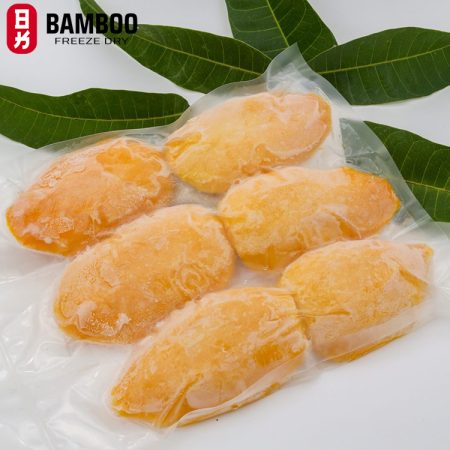
Frozen fruit is fruit that has been quick-frozen and kept frozen until use.
Frozen fruit This includes a wide range of fruits preserved through the freezing process. The fruits used must be clean, intact, highly fresh, and ripe. They are utilized in various types of food production. Industrial users—primarily in the bakery, dairy, and ice cream sectors—are developing innovative products using these as ingredients.
Once frozen, they are used as ingredients or raw materials in various food industries:
- Place in a blender with crushed ice to create a delicious and refreshing smoothie.
- Mix with 100% fruit juice or skimmed milk to create delicious smoothie blends in a flash.
- Use as a cereal topping
- Create a last-minute fruit salad for dessert with your favorite combination of frozen fruits.
- Use for making fruit soup
- Use in baked goods such as pies, fruit crumbles, or breads.
- Dairy products (yogurt, etc.): Add to low-fat yogurt.
- Thaw and strain through a sieve to make fruit sauce. Use as a topping for pancakes, waffles, or fat-free ice cream.
- Use instead of ice cubes to chill your drinks.
- Making jams and jellies
- Pastry fillings
- Enjoy as a healthy snack right out of the bag.
- …
Benefits of Frozen Fruit:
Frozen food often gets a bad reputation for being overly processed and lacking freshness. However, the truth is that some of the healthiest foods on the market are found in the freezer aisle. Frozen fruits are frozen at their peak ripeness, making them convenient, easy to use, and always available. They can significantly save you time in the kitchen since no peeling, cutting, or washing is required. Here are the top reasons to stock up on frozen products today and throughout the year:
Achieving optimal ripeness:
As soon as fruit is picked, it begins to lose nutrients; therefore, the timing of the harvest and how long you wait to eat it will impact its nutritional value.
Because most fruits are frozen immediately after harvest, they are allowed to fully ripen. This means they are packed with vitamins, minerals, and antioxidants, and the freezing process 'locks in' their peak nutritional value.
Nutritious
A real-world study supports these differences, explaining why frozen produce can be just as nutrient-rich, or even superior, to fresh produce. In a 2015 study published in the Journal of Agricultural and Food Chemistry, researchers compared eight common fruits and vegetables stored in a refrigerator for 3 to 10 days versus those frozen for up to 90 days. Regarding Vitamin C, riboflavin, alpha-tocopherol (a form of Vitamin E), calcium, magnesium, zinc, copper, iron, fiber, and total phenolics, the researchers concluded that fresh and frozen produce are very similar, with frozen sometimes performing better than fresh
Researchers measured nutrient levels in produce that had been refrigerated for three days versus its frozen equivalents. They found higher levels of beneficial nutrients in the frozen samples, across everything from broccoli to blueberries. In two out of three cases, frozen fruits and vegetables contained higher concentrations of antioxidants, including polyphenols, anthocyanins, lutein, and beta-carotene. Therefore, the freezing process does not destroy their nutritional value.
They contain no additives.
Since freezing naturally preserves food, there is no need for unwanted additives in bags of frozen produce, such as spinach or strawberries. As a result, it is easy to find fruits and vegetables with a single-word ingredient list—simply the fruit or vegetable itself.
Available and Versatile
Frozen options typically require no washing, peeling, or chopping. Since frozen produce comes ready to use, it can save you a significant amount of time, allowing you to prepare healthy meals at home instead of settling for takeout.
You can stock up on a variety of frozen fruits and vegetables in your freezer and use them in many different ways. In addition to adding frozen fruit to smoothies, try thawing or reheating it.
Frozen products can prevent the waste of resources within the national economy.
Vietnam’s No. 1 Frozen Fruit Supplier:
BambooTropicalFruit we are a leading specialist in the distribution and export of fresh fruits, frozen fruits, and freeze-dried products, boasting years of experience in Vietnam and a vast distribution network across multiple international markets.
Sourced from reputable Vietnamese orchards:
Our frozen fruit products are sourced directly from local orchards, then processed, quick-frozen, and packaged under strict quality and food safety standards.
Reliable Supplier:
We offer an extensive range of premium frozen tropical fruits, including Avocado, Mango, Durian, Jackfruit, Strawberry, Passion Fruit, Soursop, and Sapodilla....guaranteed 100% from high-quality fresh fruits, meeting your specific needs and objectives.
If you are looking for a reliable frozen fruit supplier, let's partner with Bamboo Tropical Fruit – we are more than just a supplier; we are your trusted partner. We provide you with high-quality products, the fastest shipping, the most competitive prices, and unparalleled support. Contact us today: 0909 753 648
Showing the single result
 English
  Tiếng Việt